Lighting the Dharug Story
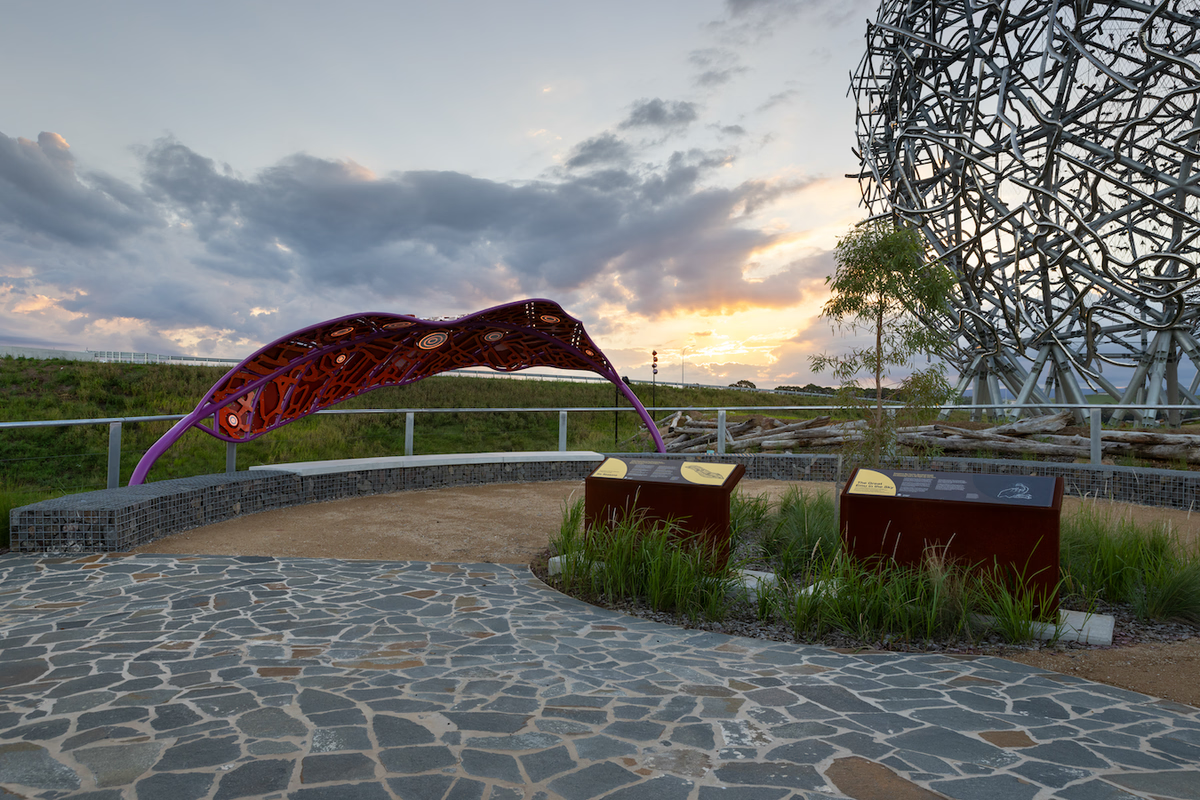
Between Sydney and Western Sydney International Airport, the Great Emu in the Sky is one of Australia's most ambitious public art installations.
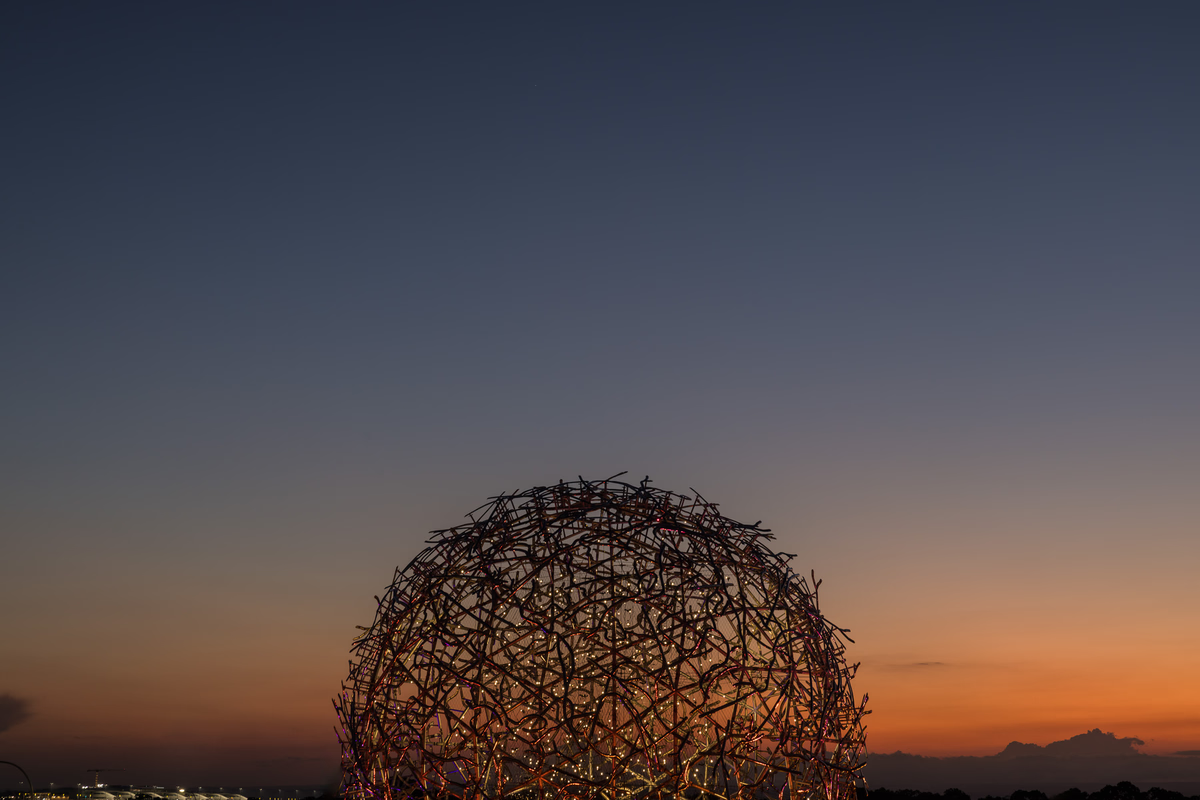
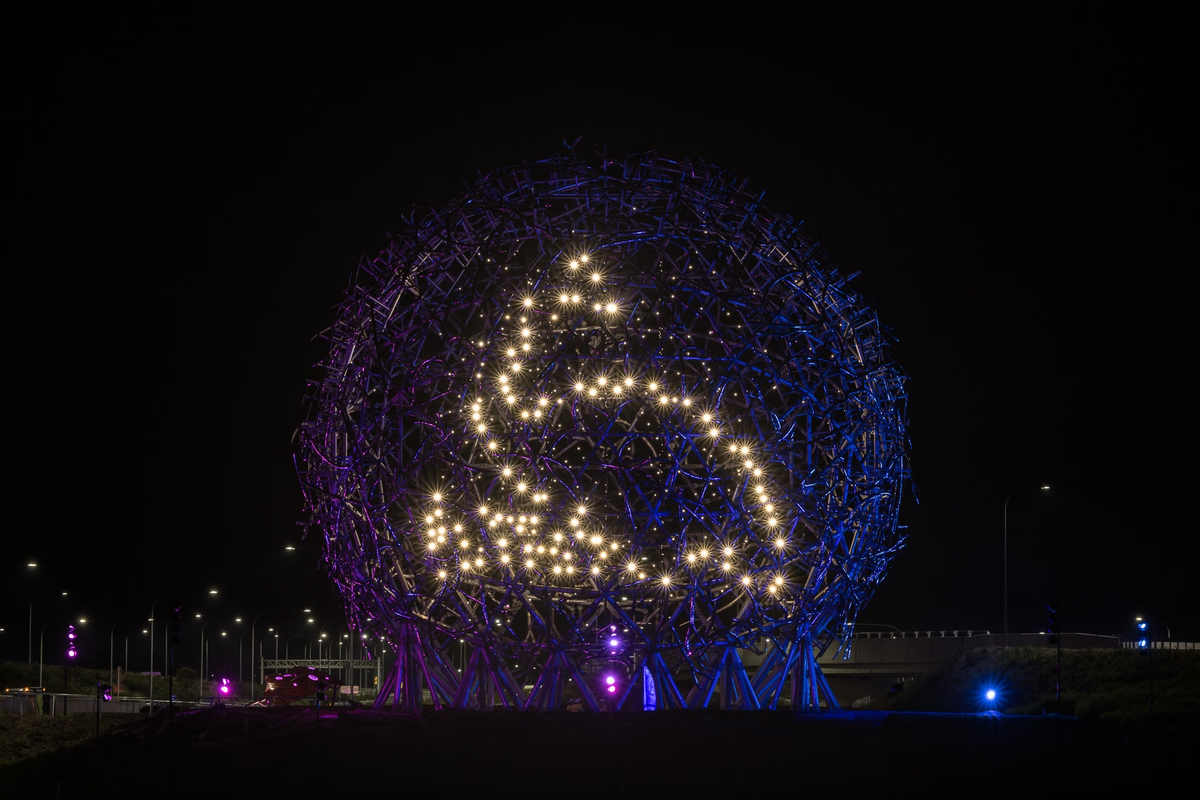
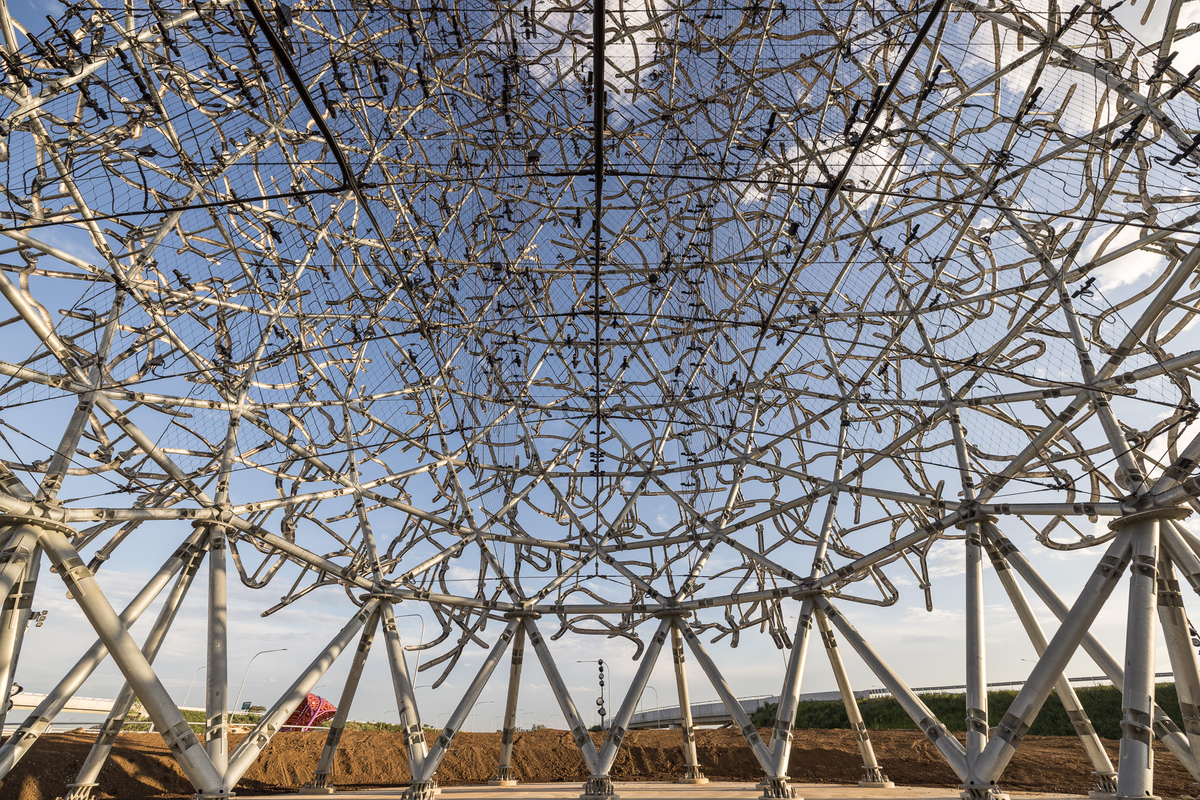
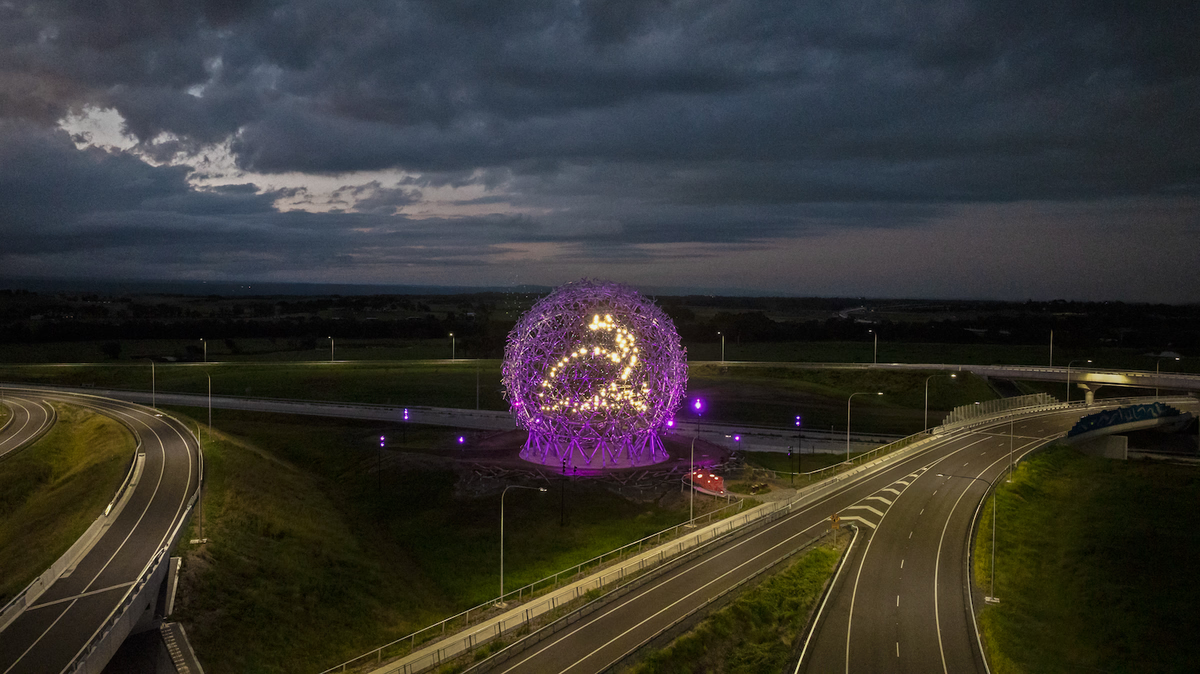
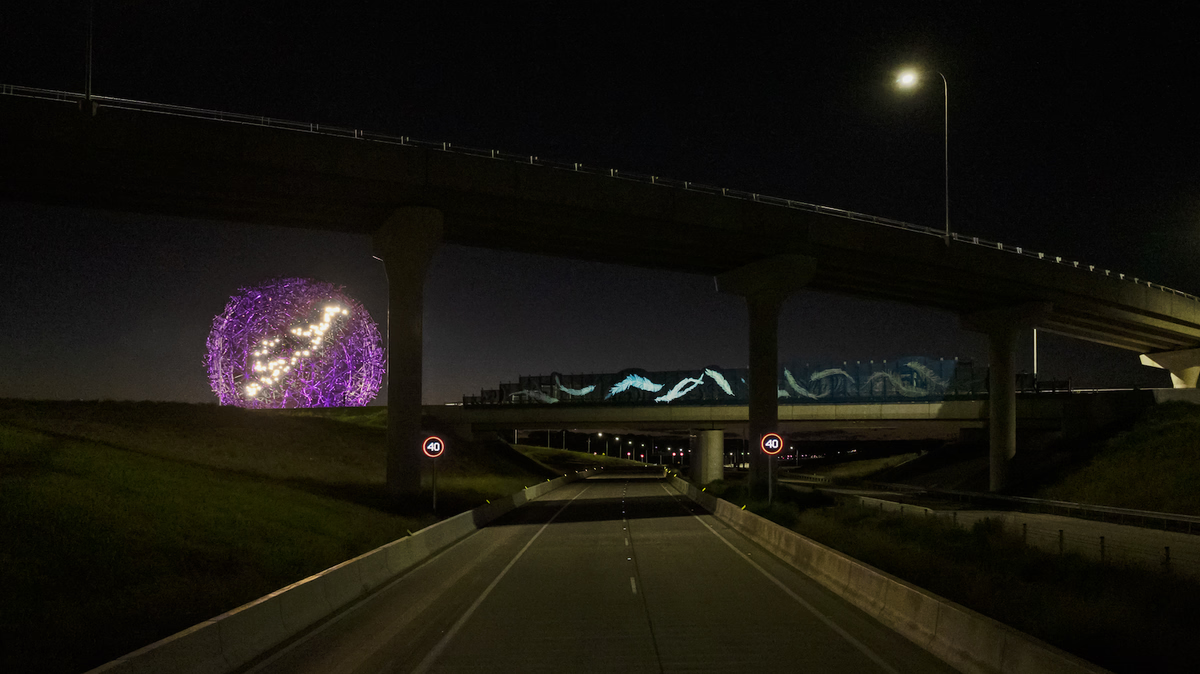
Thirty metres tall, it's a sculptural nest that tells the Dharug story of the Great Emu constellation, which changes its appearance as you move around it. Its hidden constellations are the result of precisely engineered lighting, which Lucian, alongside Electrolight, Event Engineering, Balarinji and Transport for NSW, was proud to be part of. With eight years of development behind it, this project is one of our proudest achievements.
The Brief
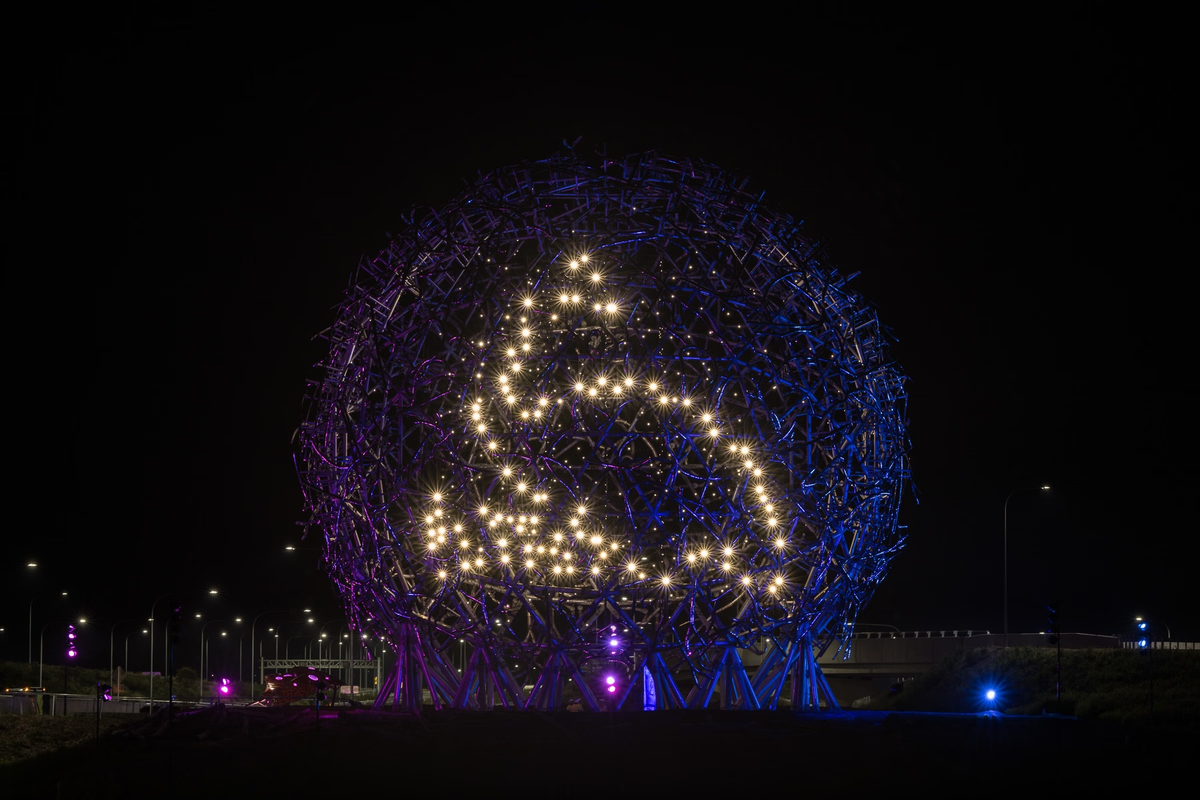
Lighting a sculpture at a major transport gateway seems simple enough, but the inclusion of viewing 'sweet-spots' made things a little more complicated. The goal was to have specific corridors along the motorway where approaching drivers would see the Emu constellation converge and hang in space, only to dissolve into a scattered field of stars as they moved past.
The illusion needed to work at highway speeds, in daylight and after dark, across multiple approach angles, without creating glare or distraction for drivers.
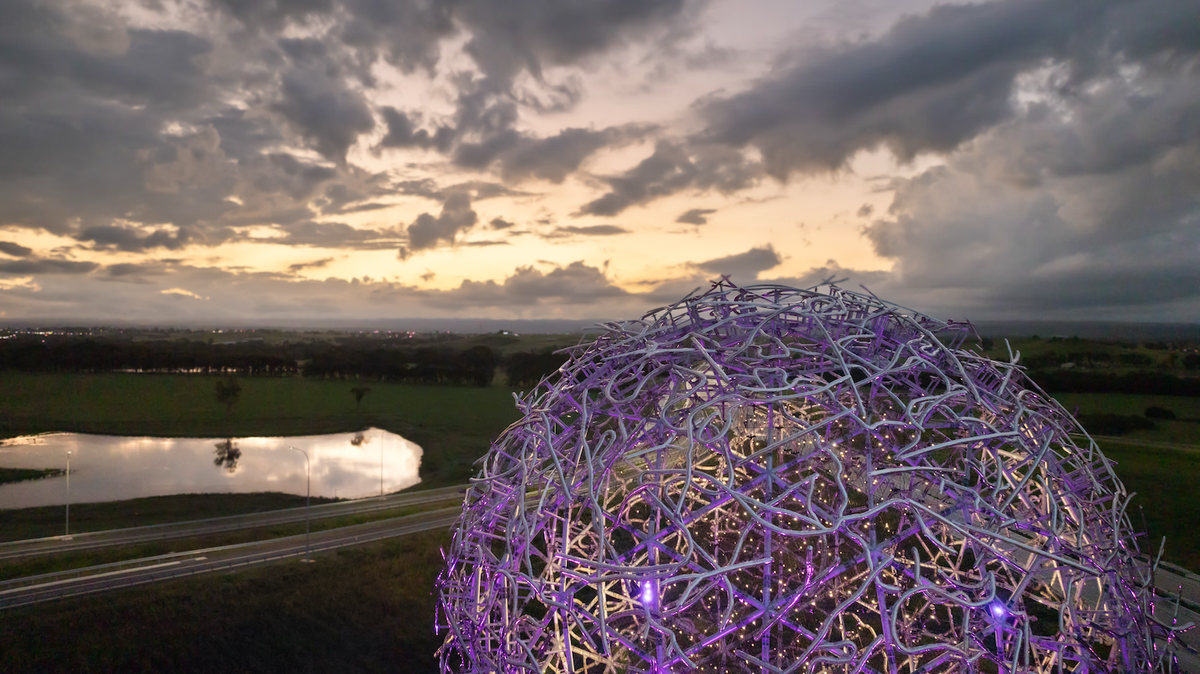
The sculpture also had to shift its colour palette throughout the year to reflect the six seasons of Dharug Country. This required a dynamic, responsive, and intelligent lighting system that could be integrated into a 30-metre geodesic dome, wrapped in hand-formed stainless-steel branches.
The lighting strategy
The core sits on a tensile mesh system: six planes of black stainless mesh suspended at precise angles within the dome, creating a three-dimensional mounting grid for approximately 80% of the luminaires. These planes essentially disappear into the structure, holding the lights in a seemingly floating state.
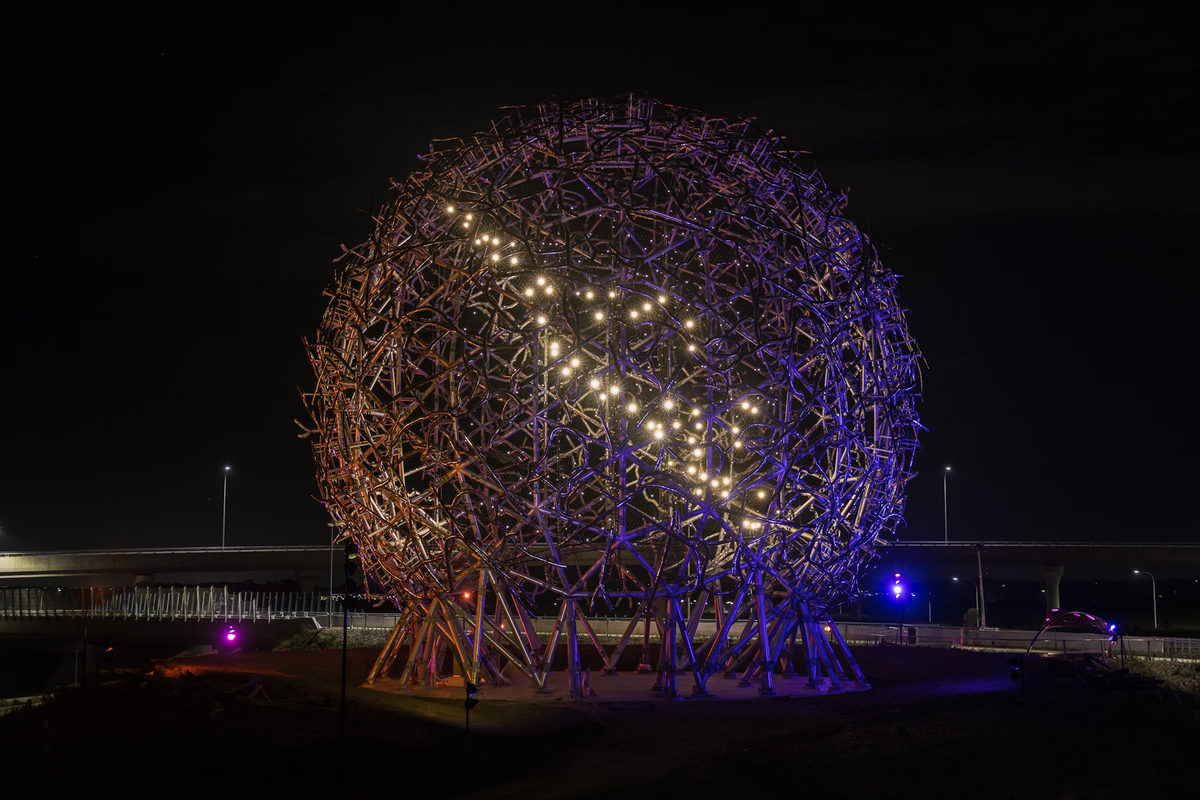
Within this grid sits the primary constellation: 474 individually controlled light sources (ewo Chameleon C90) positioned to create two distinct Emu shapes (flying and nesting). Each of these positions is calculated so that from four specific viewing angles (aligned to the motorway approaches and the metro connection), the lights converge to form recognisable constellation patterns. From anywhere else, they disperse into an apparently random scatter of stars.
The secondary constellation surrounding this primary arrangement features over 1,000 additional light nodes to enhance depth and continuity.
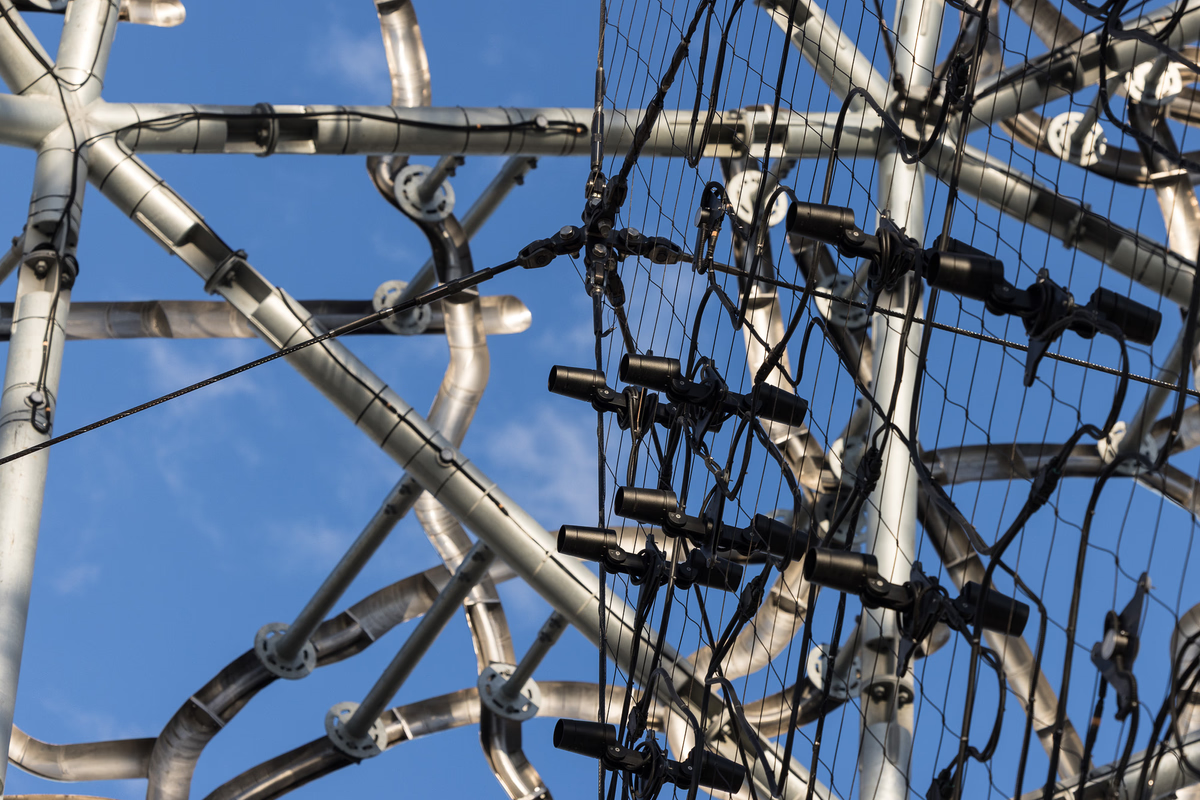
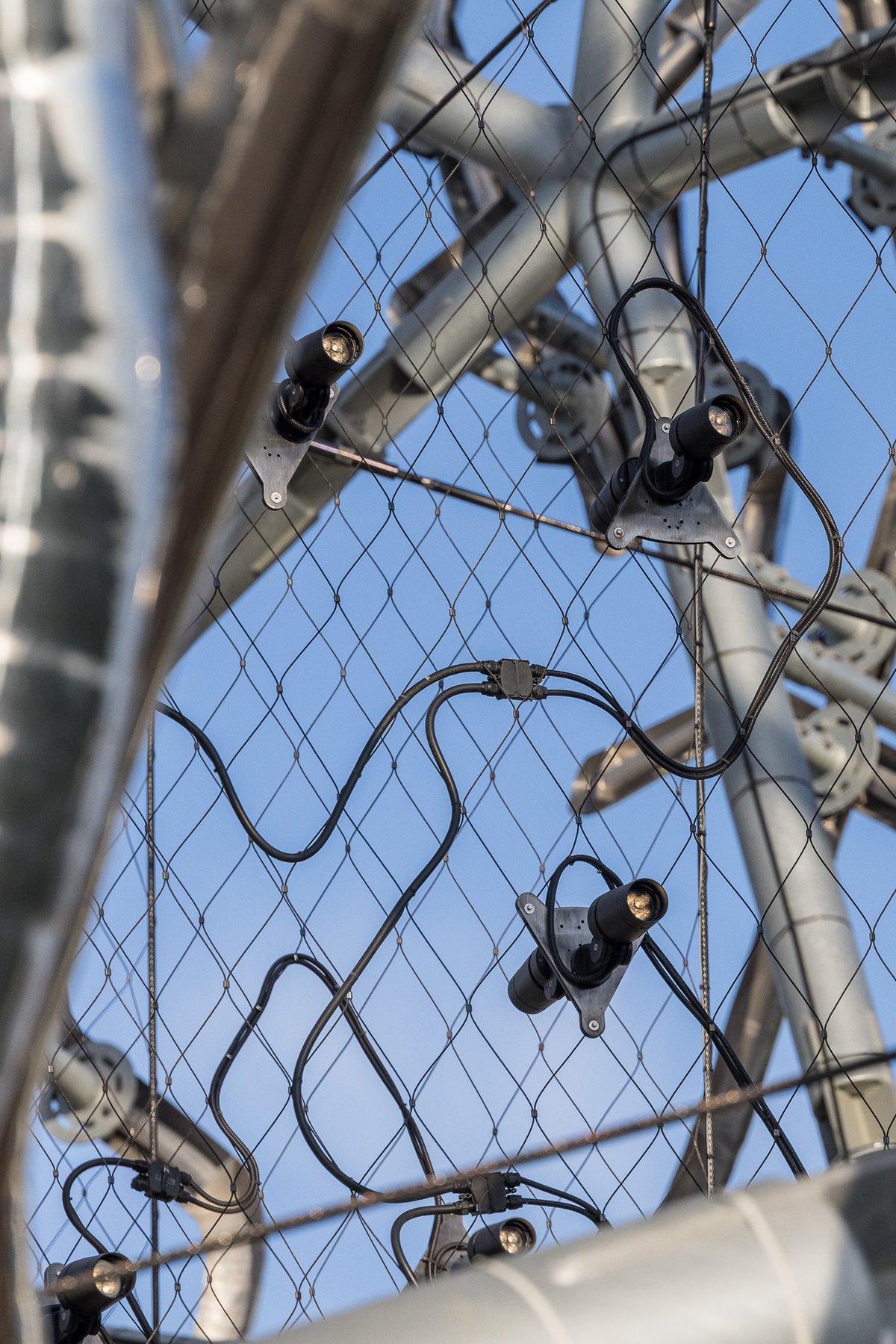
For these primary constellations, we needed optical precision. With advanced lens technology, narrow, controlled beam angles maintain impact across vastly different distances and light conditions. Daytime viewing requires high intensity to cut through ambient light, and at night, there is a careful balance with the secondary nodes to avoid washing out the effect.
The outer nest sphere receives light from 14 post-mounted RGBA projectors that wash colour across the stainless steel branches, which are polished and textured in a way that won't blend colours into a single hue the way flat surfaces would. Instead, the reflectivity creates multiple colours simultaneously, so up to five colour tones are visible around the structure at once.
The colour palette represents the six Dharug seasons, rotating slowly around the sphere, deliberately slowing to a fade every minute. The "breath" in the programming creates the impression that the sculpture is alive and responsive to the landscape rather than mechanically switching through predetermined states.
All of this is coordinated through a central control system running DMX and DALI protocols. The programming operates on an annual cycle, shifting between seasonal colours and day-night modes while keeping the star constellations static, allowing viewers' movement around the dome to create the illusion of shimmer.
Telling the Dharug story
The tone of this installation is quiet, respectful, and contemplative. The constellations appear only from certain vantage points, making the experience seem somewhat private to the viewer. The colour shifts are organic, achieved through a subtle effect.
This runs counter to most of the ideas and goals of conventional public art lighting. It relies on composition, viewer positioning and the passage of time to create meaning.
Solving problems that hadn't been solved before
Distraction and obtrusive light are considerations that must be taken seriously at a major transport corridor. Transport and Aerospace authorities demanded careful calculation and rigorous testing to ensure that the positioning, lensing, and aiming satisfied regulatory requirements while maintaining the visual majesty the project required.
The structural complexity of suspending the tensile mesh system necessitated custom mounting plates developed specifically for this application. The matte black suspension system disappears visually, leaving only the floating constellation and the shifting seasonal colours. Cable routing had to be concealed to ensure the light sources appeared to float freely, and the day-and-night contrast required lighting options with both precision and range.
When lighting design serves the story
Distraction and obtrusive light are considerations that must be taken seriously at a major transport corridor. Transport and Aerospace authorities demanded careful calculation and rigorous testing to ensure that the positioning, lensing, and aiming satisfied regulatory requirements while maintaining the visual majesty the project required.
The structural complexity of suspending the tensile mesh system necessitated custom mounting plates developed specifically for this application. The matte black suspension system disappears visually, leaving only the floating constellation and the shifting seasonal colours. Cable routing had to be concealed to ensure the light sources appeared to float freely, and the day-and-night contrast required lighting options with both precision and range.