Barangaroo International Towers - End of Trip
When Daylight Doesn't Quite Reach
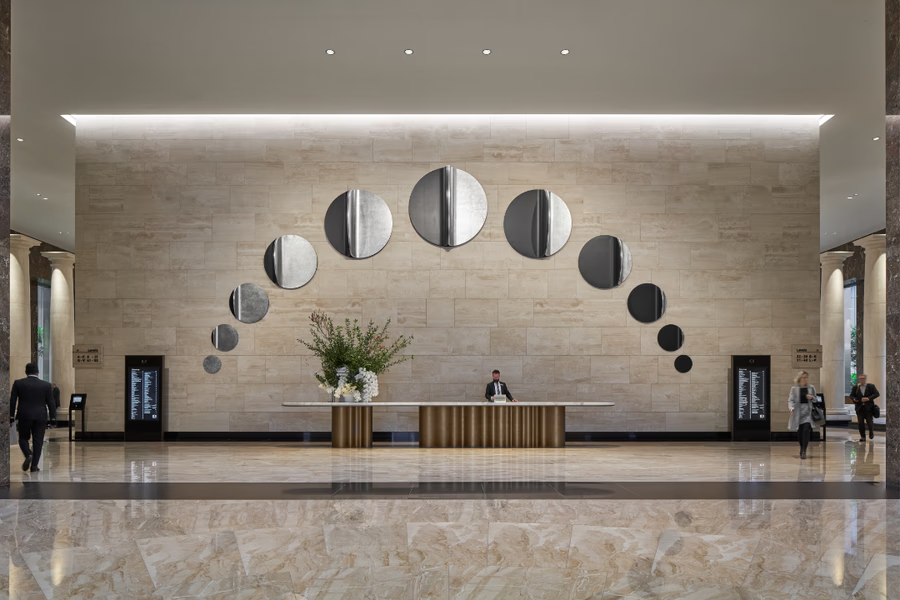
International Towers Barangaroo features three main towers, designed by Rogers Stirk Harbour + Partners, to create a sense of visual openness and provide views and connection to the harbour. It's the exact type of space you'd want to be working from, but not every space in the complex sits at the perimeter of a 200-metre tower.
However, within the Eastern Office Tower sits a zone that contradicts the primary design vision: restricted access to daylight and low ceiling clearances. In situations like this, where the architecture's ambitions meet practical constraints, lighting design steps in.
The lighting system had to perform on three fronts simultaneously: create visual comfort despite minimal height, compensate for the complete absence of natural light, and maintain the sustainability credentials of the broader complex.
The architectural constraint
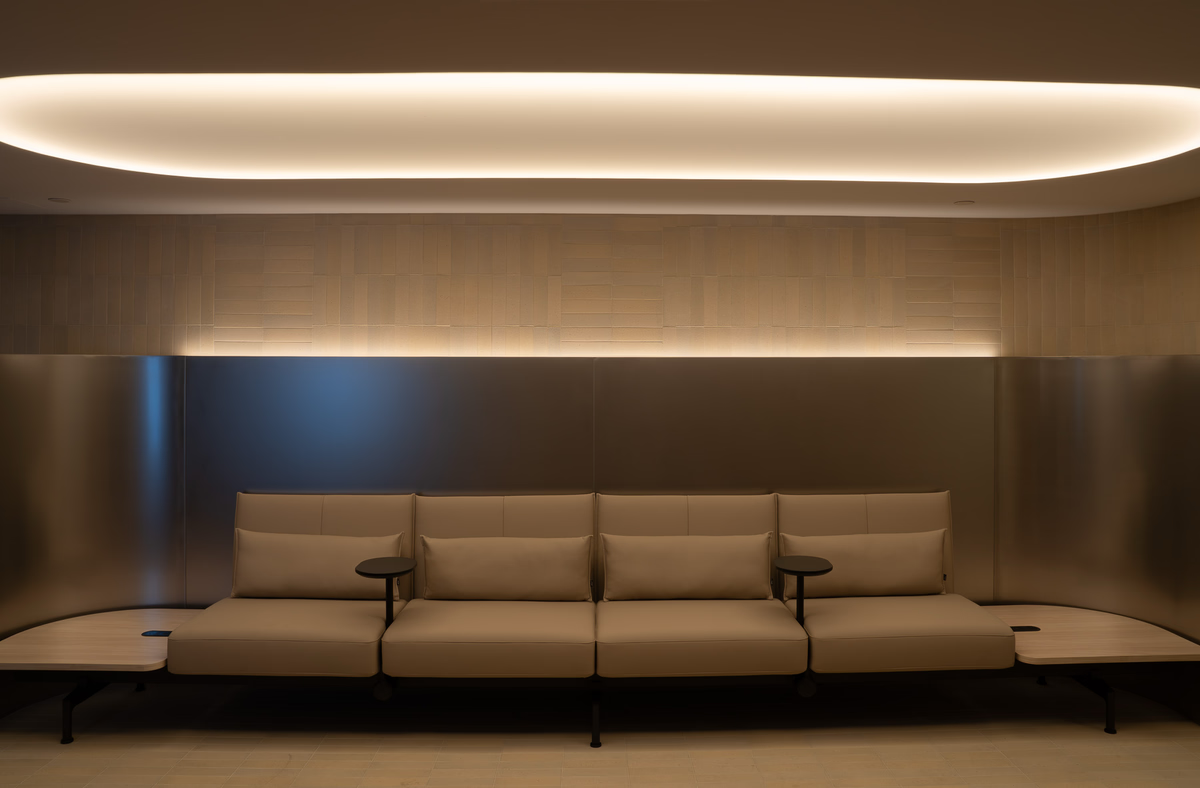
Arriving at your desk, looking up, and seeing the ceiling 2.4 metres away obviously creates a sense of confinement. When combined with artificial light as your only source of illumination, it quickly becomes fatiguing. Humans respond psychologically to ceiling height, and the perception of space affects mood, productivity, and wellbeing.
Light Practice's brief was to use lighting to create a spatial illusion. Make the space feel taller, broader, and more open than its physical dimensions suggest. They also had to accomplish this while meeting Green Star performance requirements around energy efficiency and the broader Barangaroo sustainability mandate.
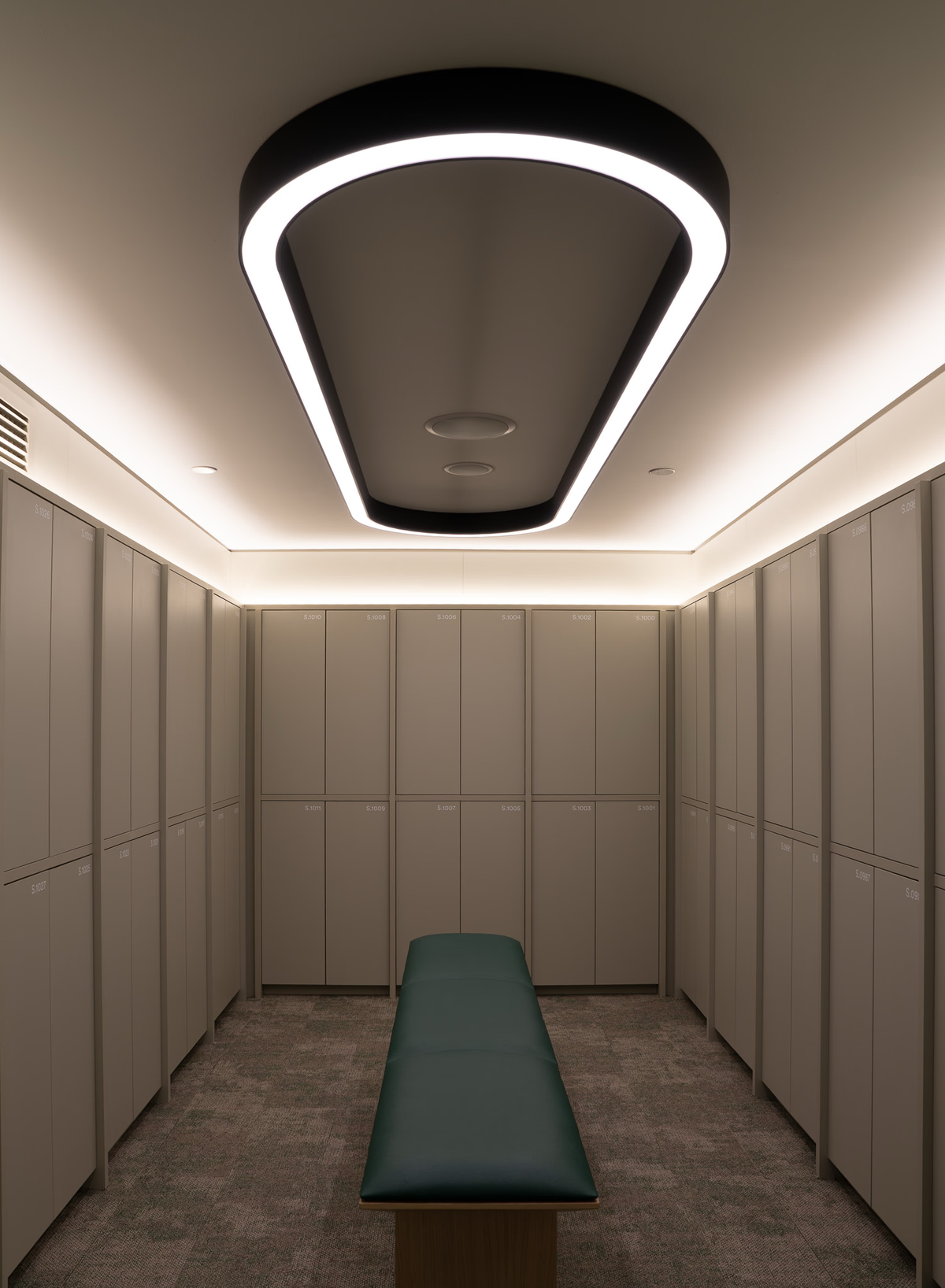
The lighting strategy
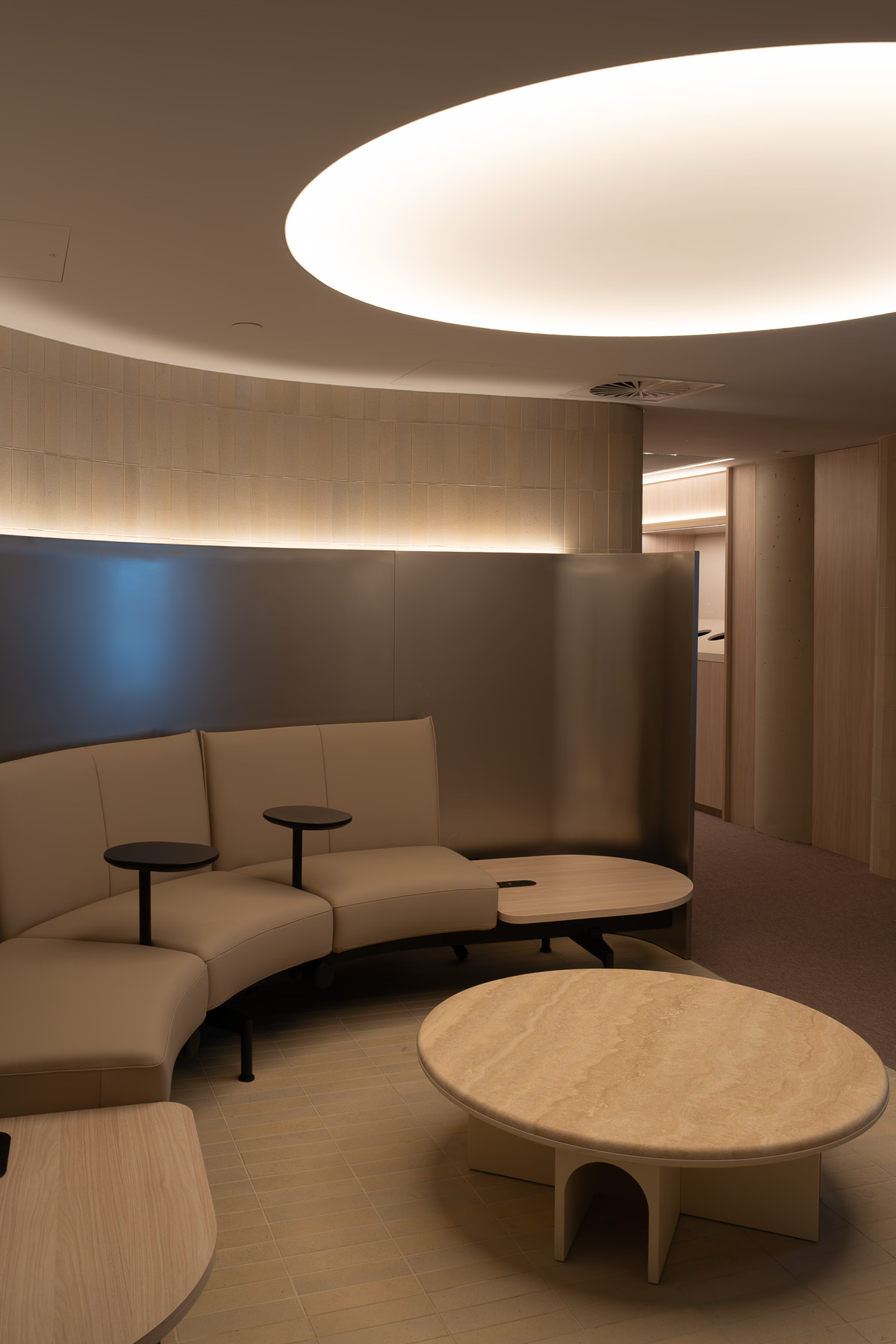
Light Practice, working with the architectural and engineering teams, developed a layered approach that uses three distinct lighting systems in concert: IBL, Deltalight, and Energyline:
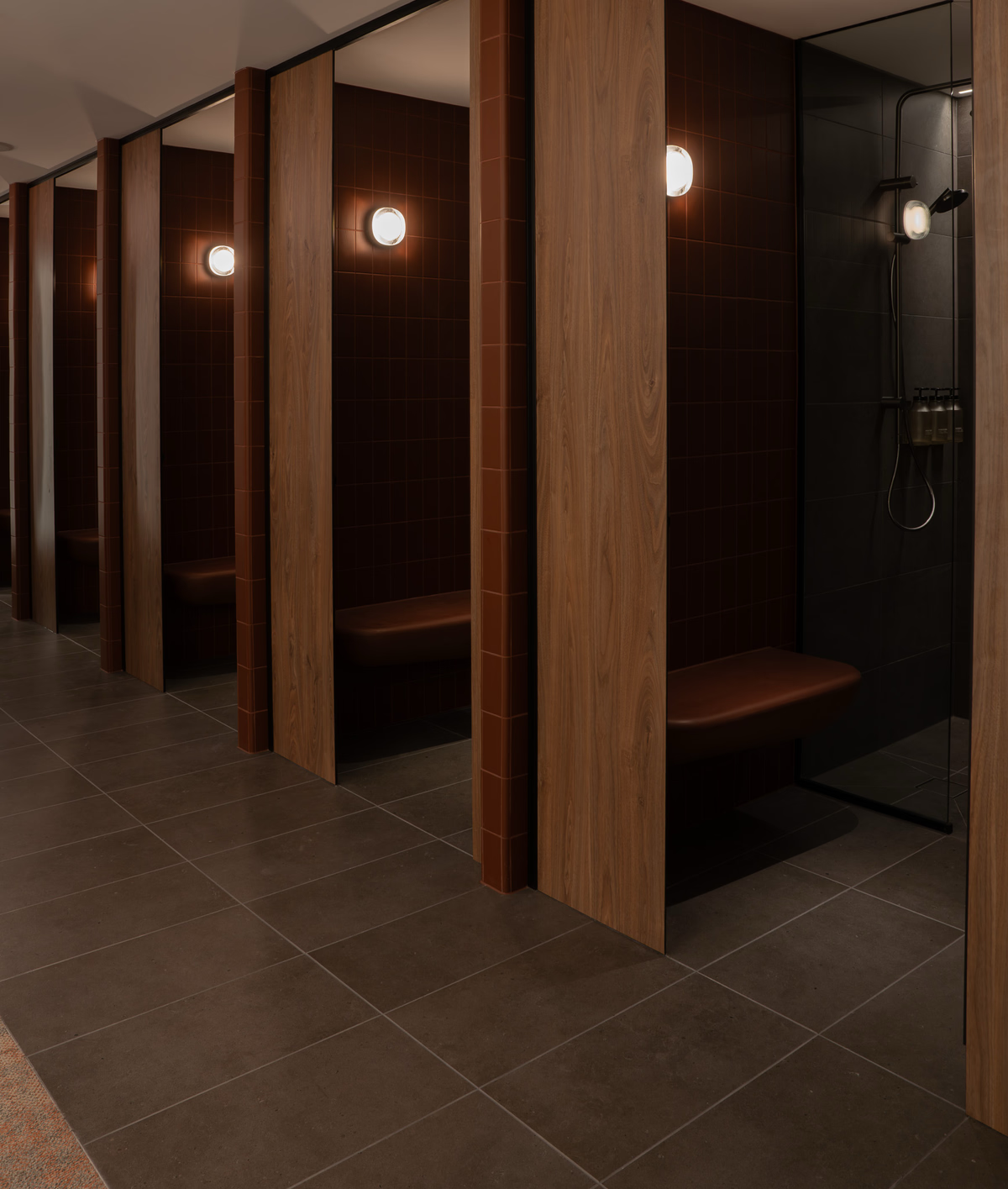
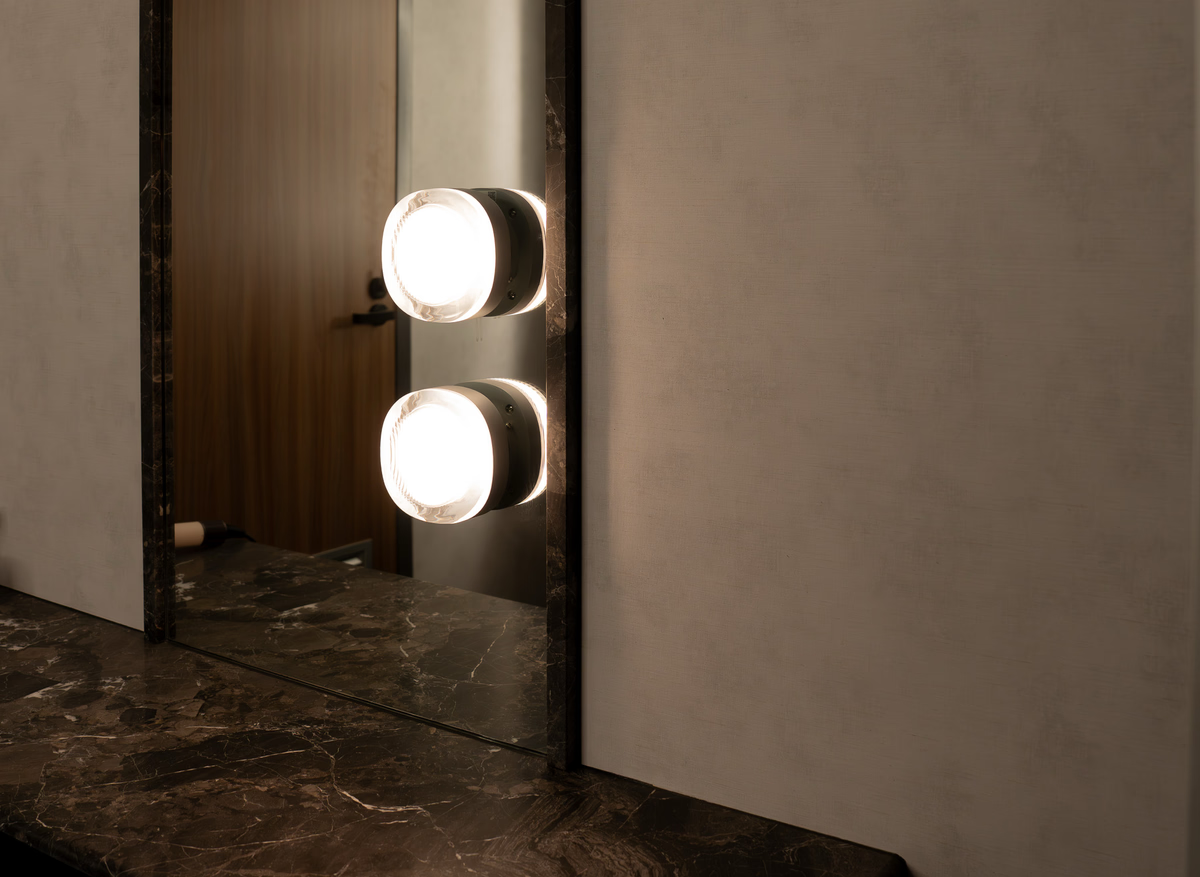
● IBL was chosen for its high-performance downlights, colour consistency and beam quality. It was used to provide task lighting and visual acuity without dominating the visual field directly above.
● Deltalight provided an architectural layer with carefully selected profiles designed to complement the ceiling plane. Their downlights and accent systems were directed towards surfaces that could reflect light, creating a secondary illumination that makes the space feel larger and more visually interesting.
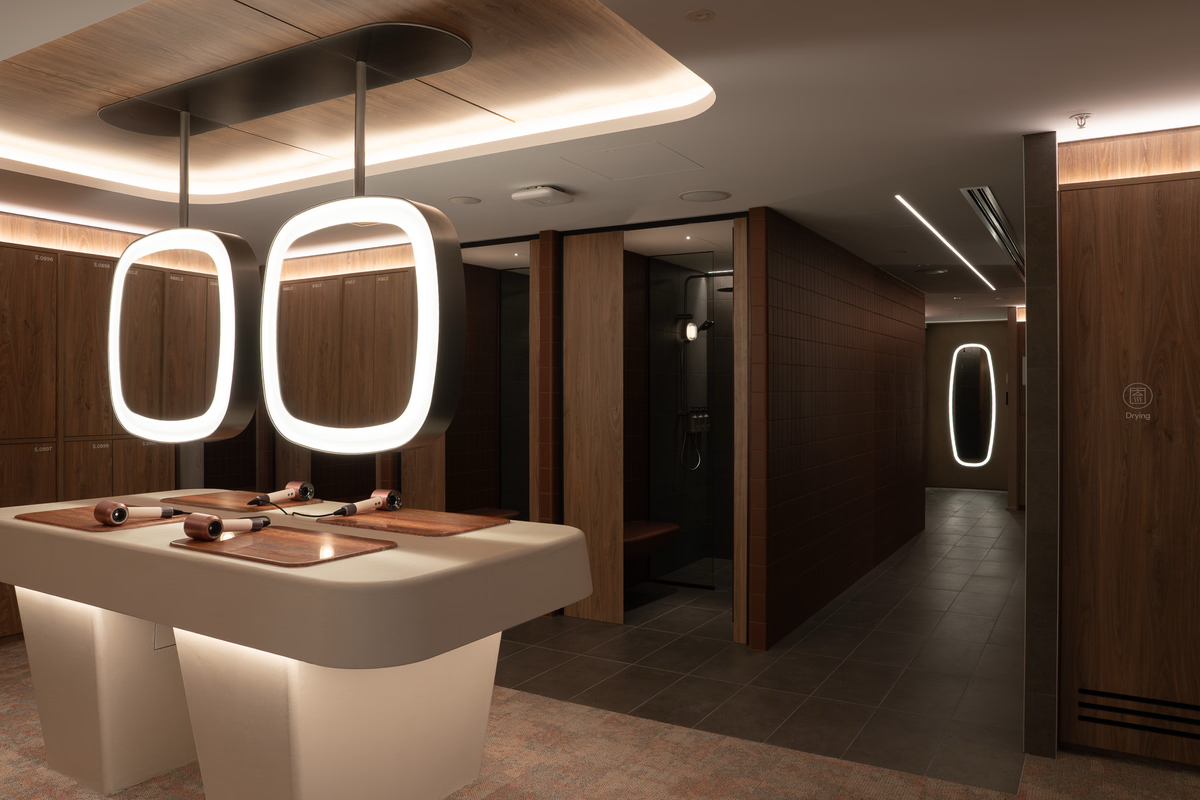
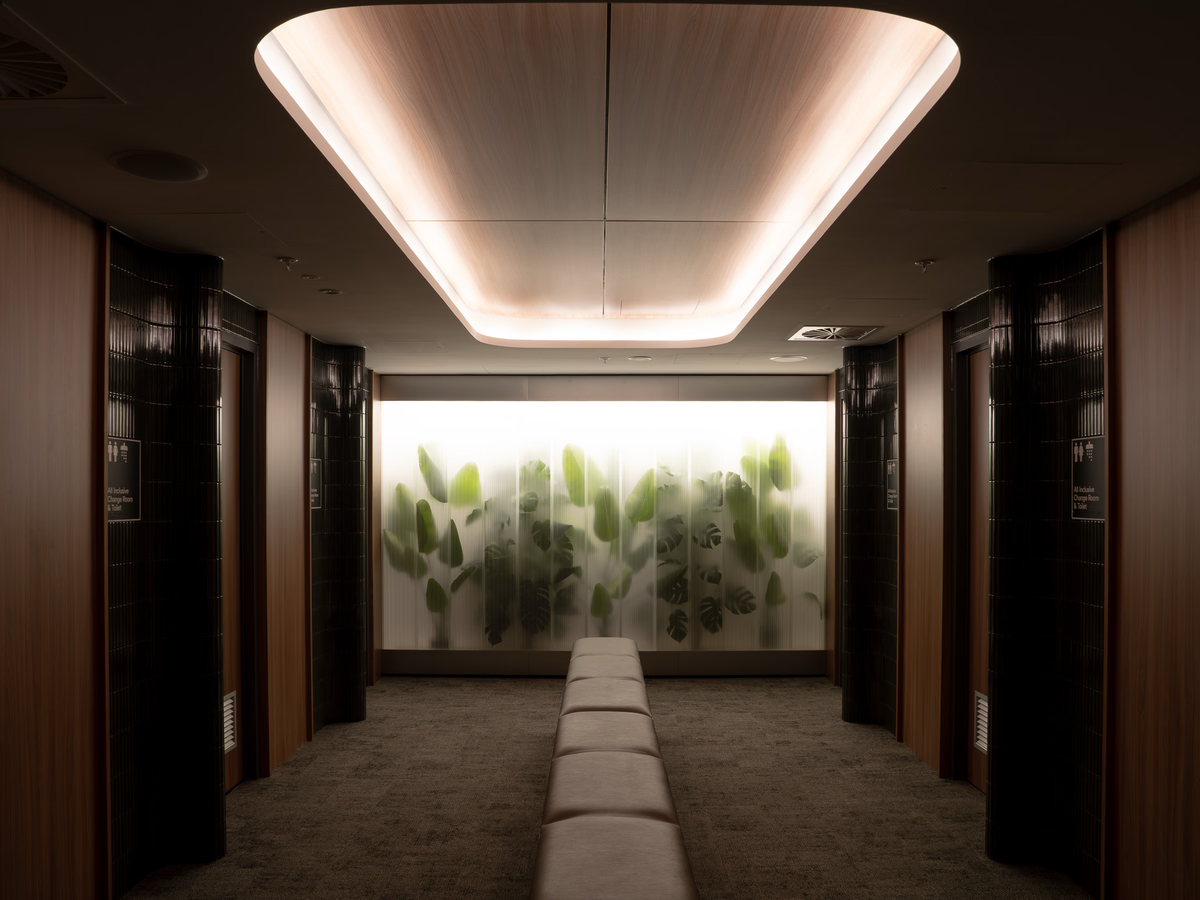
● Energyline's clean profile is perfect for low ceilings where line lighting typically disappears into visual clutter. They became the "sky" of the interior spaces, running overhead as a deliberate design choice rather than filling a void.
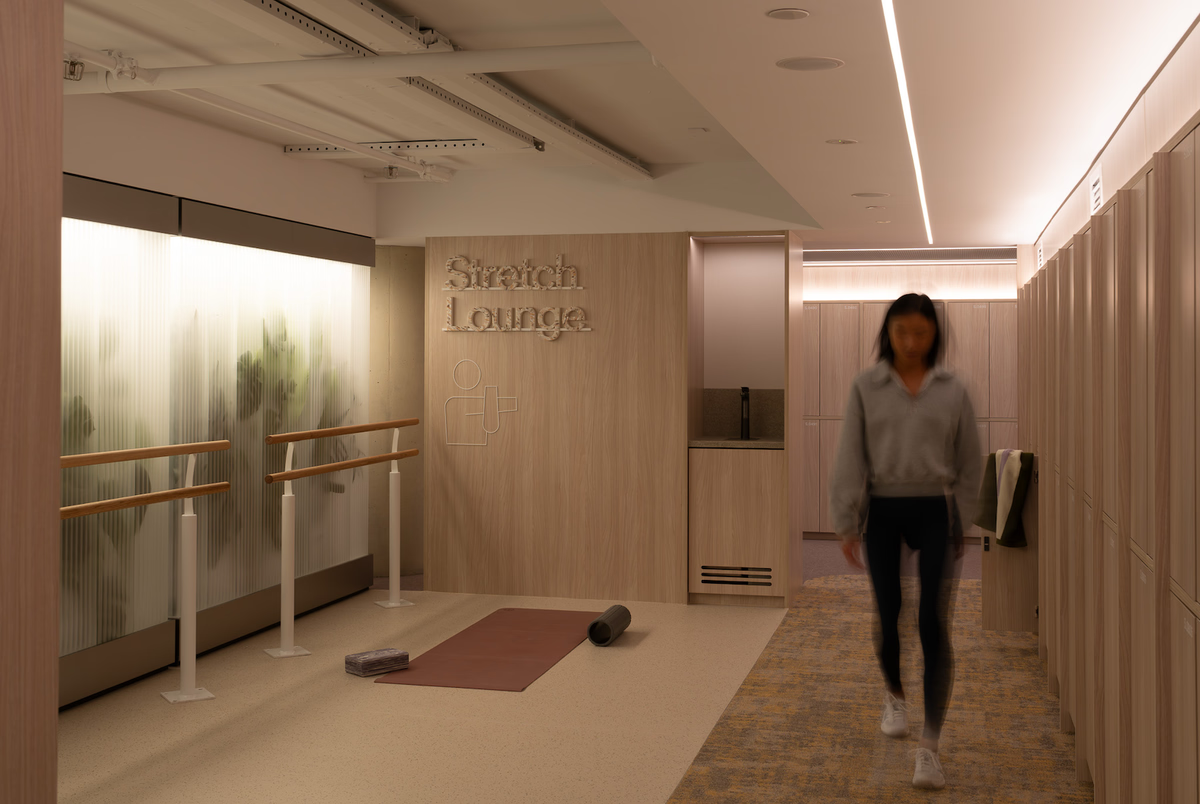
Creating height and openness in a space that has neither
Uplight systems are critical on a project like this, as a portion of the light can be directed upward onto the ceiling itself. This technique is called "ceiling washing," as it makes the ceiling recede visually. When the ceiling is illuminated with slightly warmer colour temperatures, it becomes a background element rather than an oppressive surface.
The psychological effect is subtle, making the ceiling feel like sky, even when it's only 2.4 metres away. Layering, in this situation, prevents visual monotony with brighter zones for concentrated work, dimmer zones for circulation, and accent lighting on architectural details. The brain interprets these variations as a larger space that is more inhabited and designed.
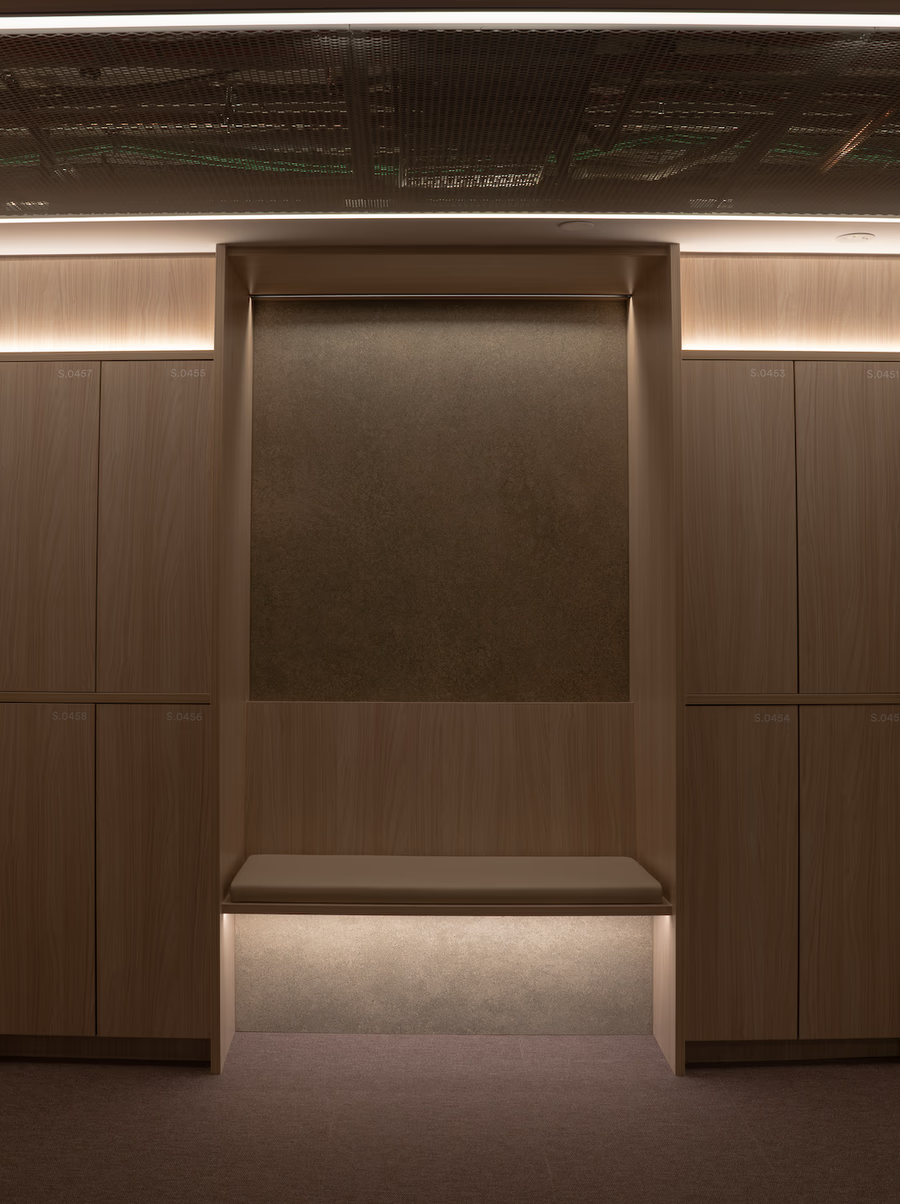
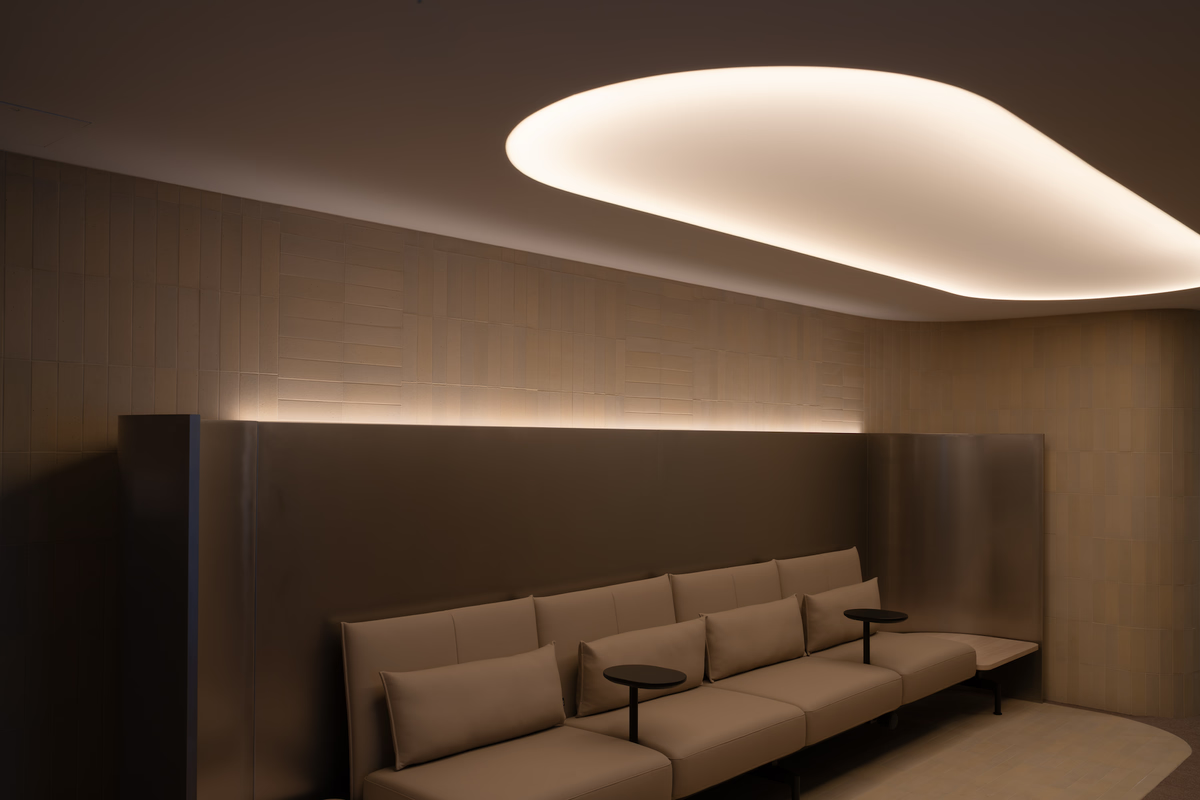
Designed, not compromised
Thoughtful lighting design shapes psychological perception and compensates for architectural constraints. This project helps the occupants enjoy their workspace with the quality and experience that International Towers has promised. We love lighting that transforms how people experience space, and this one does exactly that.